Is Coffee Bad for Fat Loss or Can It Actually Help You?
You want to lose weight while at home, and every day when you look at your belly in the mirror you’re looking right at that cup of coffee you drink every day. And so you ask yourself “is coffee bad for fat loss“, particularly thinking about all those added sugars and creamy toppings on your favorite latte or cappuccino, as well as that wired-but still hungry feeling after drinking caffeine.
Maybe you like sipping on a hot cup of coffee in the morning because it’s comforting, but you also wonder if every time you take a sip you’re hindering your progress toward losing belly fat. If you do enjoy a good cup of coffee, don’t feel alone. I once sat and wondered the exact same thing.
This is the guide where you’ll find a clear, easy-to-understand answer to “is coffee bad for fat loss” and whether or not it may even aid your efforts to lose weight. In addition to answering that question, you’ll learn the real reasons behind belly fat, and how you can drink coffee in ways that support your weight loss goals rather than working against them.
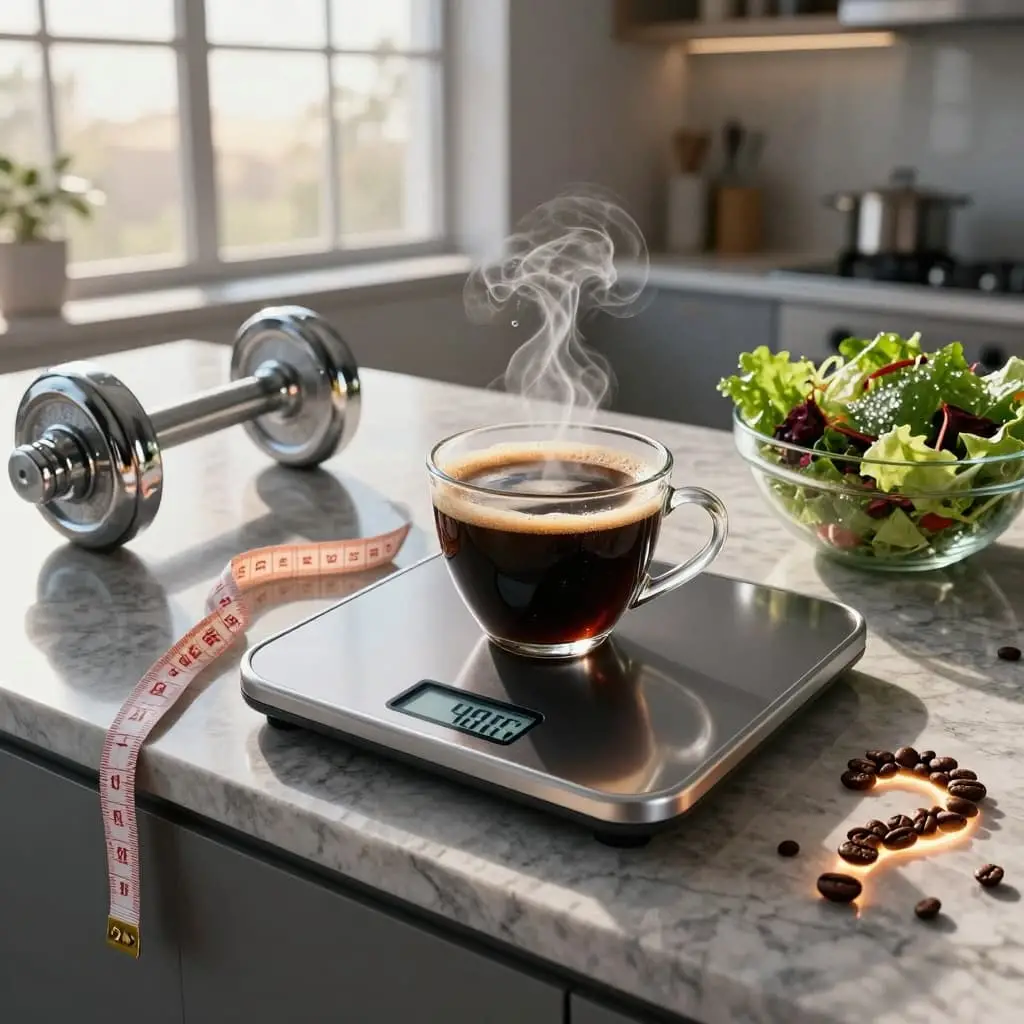
Is Coffee Bad for Fat Loss or Can It Support Your Goals?
Coffee alone, on its own does not contain much calorie. It is the additives in coffee that create problems.
Is Coffee Bad For Fat Loss?
On its own, probably no. Black coffee or coffee with a minimal number of low calorie additions can be included in a fat loss diet. However, this all changes when your drink becomes liquid dessert.
The general idea behind “is coffee bad for fat loss,” is that somehow coffee stores fat around one’s belly. In fact, it is large latte, sugars, and syrups that add many hundreds of calories to coffee. These extra calories (not the coffee) will cause a slowdown in fat loss.
For example, I have been tracking my drinks for a week and realized my “no big deal” coffee addiction added more calories than a few of my meals. This made me look at the “is coffee bad for fat loss” question from a new perspective and forced me to consider the whole picture rather than just the coffee.
How Coffee Affects Metabolism, Energy, and Appetite
The primary active component of coffee is caffeine; it has the ability to somewhat increase one’s metabolic rate (burning) for a short period of time. This could result in burning an additional few calories above normal levels. Caffeine can also enhance your energy level making it easier to get up and move, perform physical activity (e.g., working out), or simply avoid crashing on the sofa.
In addition to increasing your energy levels, coffee may help suppress your appetite for a relatively short duration as well. The effect is most commonly seen in the morning hours and may cause you to have less hunger after consuming a single cup of coffee. However, the suppressive effects of coffee are minimal and generally do not last throughout the entire day. Regardless of whether or not you consume coffee, you will still require nutrient-dense foods and balanced meals.
Therefore, when you ask “Is Coffee Bad For Fat Loss,” the scientific evidence suggests that caffeine may provide a slight nudge toward weight loss, but it is certainly no panacea and cannot replace healthy nutrition with regular physical activity.

The Real Problem: What You Add to Your Coffee
The problem isn’t how many calories are in plain coffee. It’s how much sugar, flavored creamers, syrups, and whipped cream you’re adding. What started as a cup of coffee now has become a milkshake. A single large flavored latte can contain between 300 to 500 calories or more. Having that each day will definitely add up quickly.
That is when people begin to ask “Is coffee bad for belly fat.” Coffee itself is not targeting your belly area. Adding excessive amounts of extra calories through high-sugar, high-fat ingredients can result in gaining excess weight overall. For some individuals, this excess weight may present itself around their midsection.
When you ask yourself “Is coffee bad for fat loss,” take a moment to think about what your typical coffee order contains. There is a difference between ordering a small amount of milk to go along with your brewed coffee, versus ordering a caramel coffee with syrup, whipped cream and an additional drizzle on top.
Is Black Coffee Good for Weight Loss?
You may also ask “Does drinking coffee aid weight loss?” The answer will depend upon which coffee you consume and how you utilize that coffee.
Black coffee contains nearly zero calories. Therefore, there are virtually no calorie limitations when including black coffee within your fat loss diet as long as the coffee does not serve as a replacement for real food and does not cause you to be awake through the night.
In comparison to plain black coffee and those high-sugar blended coffee drinks, the calorie differences are enormous. Drinking two cups of black coffee per day would likely contain fewer than 10 calories, while consuming two large flavored coffee drinks could easily equal more than one complete meal’s worth of calories.
Therefore, is coffee beneficial to your weight loss goals, or will coffee negatively affect your fat loss goals? If consumed responsibly (i.e., using it as part of a conscious fat loss plan) coffee can be supportive to your weight loss plan; however, if you regularly consume high-calorie coffee beverages daily they can be detrimental to your weight loss goals.
Is Coffee Bad for Belly Fat or Does It Just Get Blamed?
The way that fat builds around our midsections can feel like an invasion. Tighter jeans, tighter shirts, and that first glance at a photo – we can’t help but notice. And there’s nothing wrong with asking “Is coffee bad for belly fat” if your stomach has ever felt bloated after a large drink or a hasty breakfast.
But here’s the thing. Belly fat isn’t developed because of anything that you’ve consumed as a singular item – be it coffee, or even a slice of pizza. Fat develops based on a combination of your overall caloric consumption, your hormone levels, your stress, your sleep, and your daily physical activity level. Therefore, coffee doesn’t possess a special ability to travel directly to the area where you store fat.
Therefore, if you find yourself asking “Is coffee bad for belly fat,” or “Is coffee bad for fat loss,” take a step back. Take a look at your complete habits. Do you regularly get enough sleep? Do you frequently feel stressed? Are your meals well-balanced, or do you skip meals, only to grab unhealthy snacks hours later?
For example, I found myself feeling sluggish and hungry shortly after consuming large amounts of sugar-laden coffee-based beverages. After several months of eating these types of beverages regularly, my stomach began to feel softer and my waistline measurement increased. I want to emphasize that this is simply a personal anecdote, and therefore cannot be used as factual evidence; however, it assisted in allowing me to view the larger picture of my diet and exercise routine.
When I began drinking mostly black coffee with a splash of milk, and I made a conscious effort to eat healthier and walk at least once per day, my midsection began to shrink as well. My habit of drinking coffee didn’t change, but my habits surrounding what I ate, and how much I exercised did. This experience taught me that while coffee is likely a small component of your entire routine, it is probably not the primary factor in determining whether or not you lose or gain fat.
In other words, the majority of times, it is the habits that surround the beverage in your cup, rather than the beverage itself.

Why Your Coffee Habit Might Be Holding Back Fat Loss
The issue is sometimes not the drink itself but rather the habit associated with it. These habits can create a feeling that regardless of the truth in the “is coffee bad for fat loss” question, the answer will always be yes because there is a greater issue at play.
Some common examples of these habits include:
- Drinking coffee every time you grab a pastry, muffin or cookie.
- Using coffee as an excuse to push through your workday so you go home and eat whatever is in the pantry.
- Sipping on high calorie lattes throughout the day (as opposed to eating real food).
- Having a cup of coffee late at night, getting very little sleep, and waking up hungry and tired.
If you find yourself using one or more of these excuses and blaming the coffee for your lack of belly and/or weight changes, it may be easier to point fingers at the coffee and once again say “is coffee bad for fat loss.” However, the likelihood of this being true is probably low and most likely the combination of additional calories from the snacks/food you have been consuming, the added sugars from those foods, and the lack of quality sleep is the major contributing factor to why your body has not changed in the manner in which you wish.
Coffee, Stress, and Sleep: Hidden Factors That Affect Belly Fat
A little bit of caffeine can give a person an energy boost. However, when too much caffeine is consumed in a single day, it can cause a person to experience jitters, be stressed out or anxious. It has been shown that a constant high-stress lifestyle can result in the retention of more body fat; specifically around the midsection of the body.
It is also possible that consuming late-day coffee could also disrupt the quality of sleep. A person’s ability to fall asleep may be reduced as well as they may be awakened more frequently during the night or sleep lightly throughout the entire night. In addition to disrupting the quality of sleep, poor sleep patterns affect the levels of hunger hormones within the body. This will increase one’s appetite and craving for sweet or fatty foods. Eventually, this will result in an increase in belly fat.
Therefore, you may question “is coffee detrimental to weight loss” if you are consuming excessive amounts of caffeine causing you undue stress and robbing you of sleep. While the actual beverage is not the culprit, timing and amount can negatively impact your weight loss goals without your knowledge.
How to Use Coffee to Help Fat Loss Instead of Hurt It
Once you have an understanding of the potential dangers associated with coffee and the common myths, you will be able to use coffee as a resource (as opposed to being a danger) to help you along your weight loss journey. While you don’t have to completely eliminate coffee to lose weight at home, there are a few basic rules that may assist you to create an environment that is conducive to losing weight.
First, consider changing your mindset from “Is coffee bad for fat loss?” to “How can I use coffee to help me achieve my goal?” The difference between these two questions can lead to a greater amount of confidence in your ability to make small changes to your lifestyle.
Below are a couple of easy steps you can follow:
1. Keep the majority of your daily coffee low calorie.
2. Make sure you eat complete, regular meals, regardless of whether your coffee reduces your appetite.
3. Determine a “cut off” time for caffeine consumption in order to avoid disrupting your sleep.
4. Observe how you react to various coffee drinks and adjust accordingly.
In the past I used to view coffee as a “treat,” and now I see it as a way to help myself achieve my goals. I drink plain coffee most of the time; on occasion, I allow myself to indulge in a sweeter coffee. I also monitor my sleep so that I am getting enough rest. Using this method, my response to the question “Is coffee bad for fat loss?” has been “no” nearly every time.
Best Types of Coffee for Fat Loss (and What to Avoid)
Coffee can be chosen based on which type of coffee will help with fat loss over another. It doesn’t mean you can’t drink your coffee the same way every single time; however, knowing which options are best suited to your goal can help.
Better coffee choices:
– Black coffee
– Americano (espresso with hot water)
– Simple espresso shots
– Brewed coffee with only a little bit of milk or a low calorie creamer.
Worst coffee choices:
– Flavored lattes with syrups and whipped cream
– Frappes and other blended coffee drinks
– Large mocha’s with extra pumps of syrup
Still wondering “is coffee bad for fat loss” then clean-up your additions to your coffee first. Often times just cutting back on added sugars, using smaller cups and skipping large amounts of toppings will get you headed in the right direction.

Smart Coffee Timing Around Meals, Workouts, and Sleep
The timing of when you consume your coffee is almost as important as the type of coffee you are drinking.
Drinking coffee prior to working out will provide you with a slight increase in both energy and concentration. Drinking a single cup of coffee 30-60 minutes prior to an activity can make you feel slightly better prepared to get moving. It is that movement and not the coffee itself that ultimately results in fat loss.
It’s best to drink coffee along with or after a well-balanced meal and not try to substitute it for either breakfast or lunch. While coffee may mask your hunger for a little while, the subsequent crash typically causes excessive eating.
Setting a personal caffeine cutoff (for example, around mid-day) will allow your body to gradually begin to wind down, and protect your sleep; good sleep is necessary for sustained fat loss. Your body uses good sleep to regulate your appetite hormones and provides you with the motivation to be more active the following day.
Key takeaways
- Generally speaking, plain coffee has virtually no calories and is therefore usually the least likely to interfere with your ability to lose body fat.
- Adding high-calorie ingredients such as sugar, cream, flavored syrup or whipped cream can transform your coffee into a dessert that will significantly impede your progress toward fat loss.
- In moderation, caffeine may have some effects on increasing your resting metabolic rate, giving you more energy and suppressing your appetite for a few hours; however, this does not negate the need for an adequate diet and regular physical activity in order to support fat loss.
- The formation of belly fat is largely the result of habits in general (total caloric intake, stress levels, quality of sleep, level of activity) rather than as a direct result of the consumption of one specific beverage like coffee.
- Your coffee drinking habits, including pairing your coffee with pastries or using coffee as an excuse to miss a meal are more detrimental than the coffee itself.
- Consuming too much caffeine or consuming it too close to bedtime can negatively impact your sleep quality and cause increased stress levels, both of which can lead to greater hunger and ultimately impede your fat loss efforts.
- In most cases, black coffee or coffee with a small amount of milk or a low-calorie creamer is the best option if you are attempting to lose body fat.
- Flavored lattes, frappes and large sugary beverages can contain upwards of 300 calories and completely counteract your weight loss efforts.
- Using coffee as a pre-workout stimulus can provide you with additional energy to perform exercise and it is the exercise that actually promotes fat loss.
- By establishing a personal cutoff time for caffeine and limiting the number of calories associated with your coffee consumption, you can continue to enjoy your coffee while achieving your goal of losing fat.
Conclusion
Is coffee bad for fat loss? Honestly, the answer is “no”, because coffee, by itself, usually isn’t a problem. It’s what you add to it (high calorie additions), how often you consume it, and how your sleep and stress levels are affected by your caffeine consumption that really matters.
With some care and consideration, coffee can easily fit into your healthy routine, and may even provide a small benefit. Ultimately, the real benefits will come from maintaining a complete and consistent set of healthy habits including, but not limited to: eating well-balanced meals, being physically active daily, and getting quality sleep.
If you find yourself continually thinking “is coffee bad for fat loss?” ask yourself the better question – “how do I use my daily coffee as a tool to help me achieve my overall lifestyle goals?” Coffee is just one small piece of a much larger puzzle.
Try making just one simple adjustment this week such as reducing the amount of sugar added to your coffee by half, replacing one of your drinks with black coffee, or moving your last cup of coffee to an earlier time of day. See how your body responds. You are in control of your daily routine and that is a very powerful position to be in.