High Protein Low Calorie Meals: Fuel Your Body Without the Extra Calories
Choosing high protein low calorie meals help you to either lose fat, gain muscle, or even simply improve how you eat. High protein low calorie meals satisfy hunger longer than high-carb and high-fat meals; therefore, you will consume fewer calories and less likely be forced into unhealthy snacking. The digestion process of high protein foods requires more energy than does the digestion of fats and carbohydrates, which increases your metabolism.
Additionally, high protein low calorie meals provide the necessary nutrients to build and maintain lean muscles (very important to those who lead busy lifestyles or are trying to burn off excess body fat). By selecting high protein low calorie meals, you are giving yourself a better opportunity to make informed decisions regarding your health and to make your meals more balanced and nutritious.
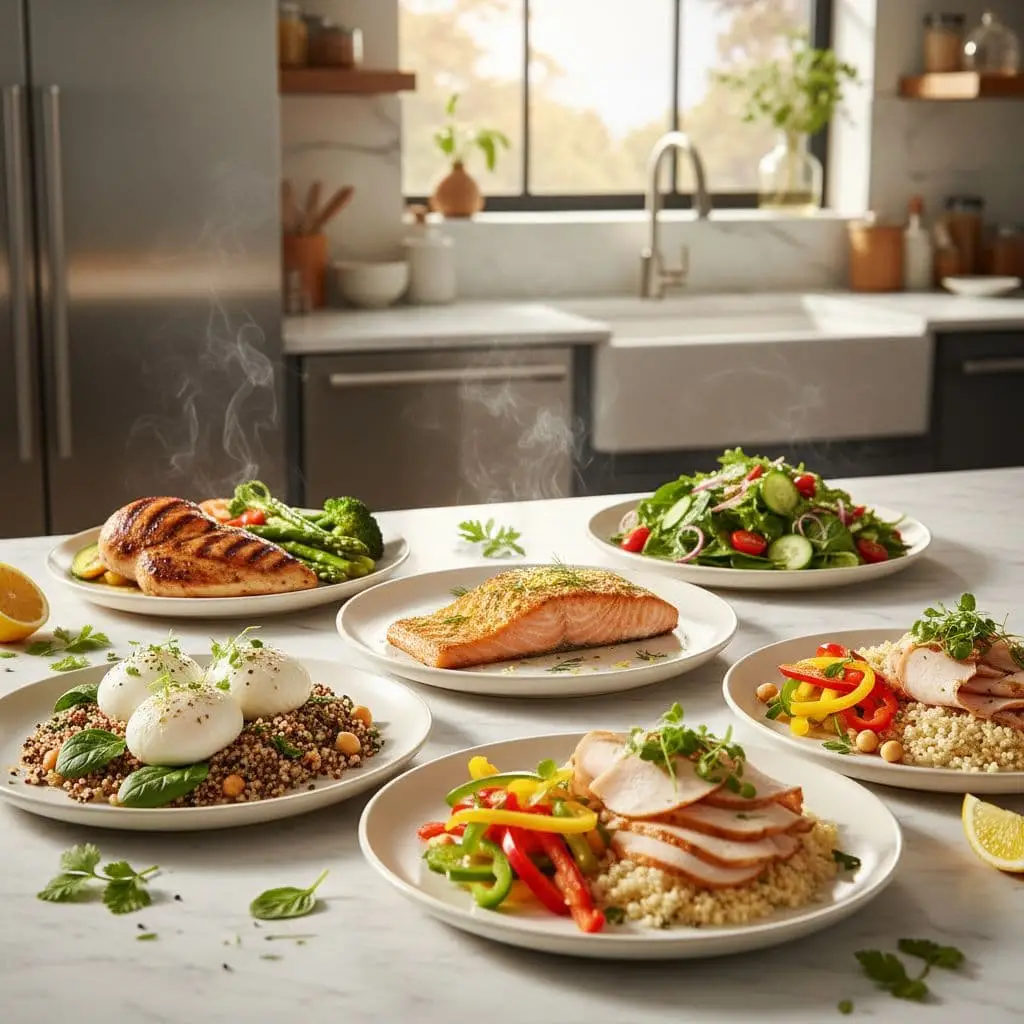
Benefits of Incorporating High Protein Low Calorie Meals in Your Diet
While eating a diet with low calorie intake and high amounts of protein is good for your goal, you will also have increased energy and an improved mood. The majority of people who consume a diet that is high in protein but low in calorie will be energized and alert throughout their day; they will not experience the mid-day and late afternoon hunger and energy crashes that are associated with diets that do not provide balance to their meals.
A diet that is low in calories and high in protein has been shown to help with increased focus and endurance which allows individuals to easily continue being active and on track with their goals without the common negative side effects of a low-calorie diet.
Weight Management and Fat Loss
When you consume protein it will slow down how fast your body digests the food, therefore your stomach will take longer to empty out of food. With this slower rate of digestion, you will be able to go for longer periods of time before you are hungry again. The steady rate of digestion also will help control the rise and fall in blood sugar levels which may cause you to have cravings for unhealthy foods.
Eating lower calorie high-protein meals will support fat loss by reducing your total daily calorie consumption and protect your muscle mass. Studies show that proteins activate fullness hormones much more so than fats or carbohydrates and help you to eat fewer calories by eating smaller portion sizes and reduce the amount you overeat and still do not feel hungry.
Muscle Building and Maintenance
Muscle is made of protein and when you are working out, and/or trying to lose fat, your muscles will need this protein to repair and build themselves. If you eat less calorie rich foods (protein) and therefore less calories, you will burn fat, but you will be able to maintain the muscle mass you have. When you do not get enough protein your body may begin to break down your muscle mass for energy as it needs to find some form of energy.
Boosting Metabolism and Energy Levels
Protein has a higher thermic effect, therefore your body expends more energy to digest protein than carbs and fat. As such, this small increase in metabolism will pay off in the long run. In addition, Protein provides steady energy; you will not experience a crash like you would after eating a carb heavy meal.
Top High Protein Low Calorie Foods to Include in Your Meals
Selecting quality ingredients is vital to preparing nutritious & satisfying meals. Foods containing high protein low calorie meals will enable you to meet your high-protein low-calorie meal needs. They provide you with all the nutrition you require in fewer calories, helping you to achieve your objectives simply & tastefully.

Lean Meats and Seafood
Chicken Breast: Supplies approximately 31 grams of protein in every 100 calorie portion. Choose your skinless, grilled chicken breast to make this an easy, low-fat option for adding to almost anything. A basic, but solid, choice for everything from simple meals, to more elaborate dishes.
Turkey: In terms of protein content, similar to chicken, turkey breast will provide approximately 29 grams of protein in every 100 calorie portion. Flavor-wise, turkey is relatively mild and can be seasoned easily with spices and marinades, which makes it a versatile selection for most types of meals.
White Fish (such as Cod or Haddock): Approximately 24 grams of protein are available in white fish for every 100 calorie serving, with minimal fat. The light texture of white fish allows for quick cooking methods such as baking, grilling, or steaming, and also holds its own in heartier fish-based dishes such as fish stews, fish tacos, etc.
Shrimp: About 24 grams of protein are contained within each 100 calorie serving of shrimp. Since shrimp cooks so fast, it is ideal for preparing fast meals and pairs well with numerous flavor profiles including, garlic and lemon, and spicy sauces. When looking for a lean, yet flavorful food option, shrimp is a good option.
Eggs and Dairy Options
Protein is abundant in many foods; here are three examples:
1. Eggs: An egg (large) has approximately six grams of protein as well as about seventy calories and will help support your body’s muscle repairs and keep you fuller longer. There are many ways you can prepare an egg such as scrambled eggs, omelets and frittatas and they are very convenient to add to most any dish you choose. In addition to being high in protein, eggs are rich in vitamins and minerals such as choline and vitamin D.
2. Greek Yogurt: A 6 oz. container of fat-free Greek yogurt contains anywhere from fifteen to twenty grams of protein and less than one hundred fifty calories. This type of yogurt has a thick, creamy consistency and a tangy flavor which makes it perfect for snacking or using as a base for smoothies, parfaits and other dressing recipes. In addition to the protein, Greek yogurt contains live cultures called probiotics which contribute to digestive health and overall wellness.
3. Low-Fat Cottage Cheese: Approximately fourteen grams of protein and eighty calories exist in one-half cup of low-fat cottage cheese. Low-fat cottage cheese provides a wide range of opportunities to use it as a food product whether it is eaten by itself, used in combination with fruit or added to salads. Protein in cottage cheese digests slowly as opposed to fast digesting whey protein found in milk which causes the protein to remain in the stomach for a longer period of time providing sustained energy between meals and helps suppress hunger.
Plant-Based Proteins
Firm Tofu: Firm Tofu is approximately 10g of protein for each 100 calories. The mild flavor and firm texture of Firm Tofu make it easy to incorporate into Stir-Fries, Soups, Grilled Dishes, etc. Due to the ability of Firm Tofu to absorb marinades and sauces well, it is a great candidate for various flavor combinations such as Spicy, Savory, etc.
Tempeh: Tempeh, a Fermented Soy Product, is a higher-protein alternative to Tofu with approximately 19g of protein per 100 calories. Compared to Tofu, Tempeh has a nutty flavor and a firmer texture, making it an excellent base for Sandwiches, Salads, Sautéed Dishes, etc. In addition to the high protein content of Tempeh, it also has a fermented quality that includes Probiotics which can aid in Digestion.
Lentils: Once cooked, Lentils contain approximately 9g of protein per 100 calories and include a significant amount of Fiber which will contribute to satiety and aid in Digestion. Lentils are simple to prepare and can be incorporated into a variety of recipes including Soups, Stews, and Salads. The earthy taste of Lentils complements Herbs and Spices and create a low-calorie, filling meal.
Chickpeas: Chickpeas provide approximately 7g of protein per 100 calories and offer a versatile option for Snacks and Meals. Chickpeas may be Roasted to produce a Crispy Snack, Mashed into Spreads (Hummus), or added to Salads and Grain Bowls. Chickpeas possess a slight Nutty Flavor and add Texture and Substance without adding a substantial number of Calories.
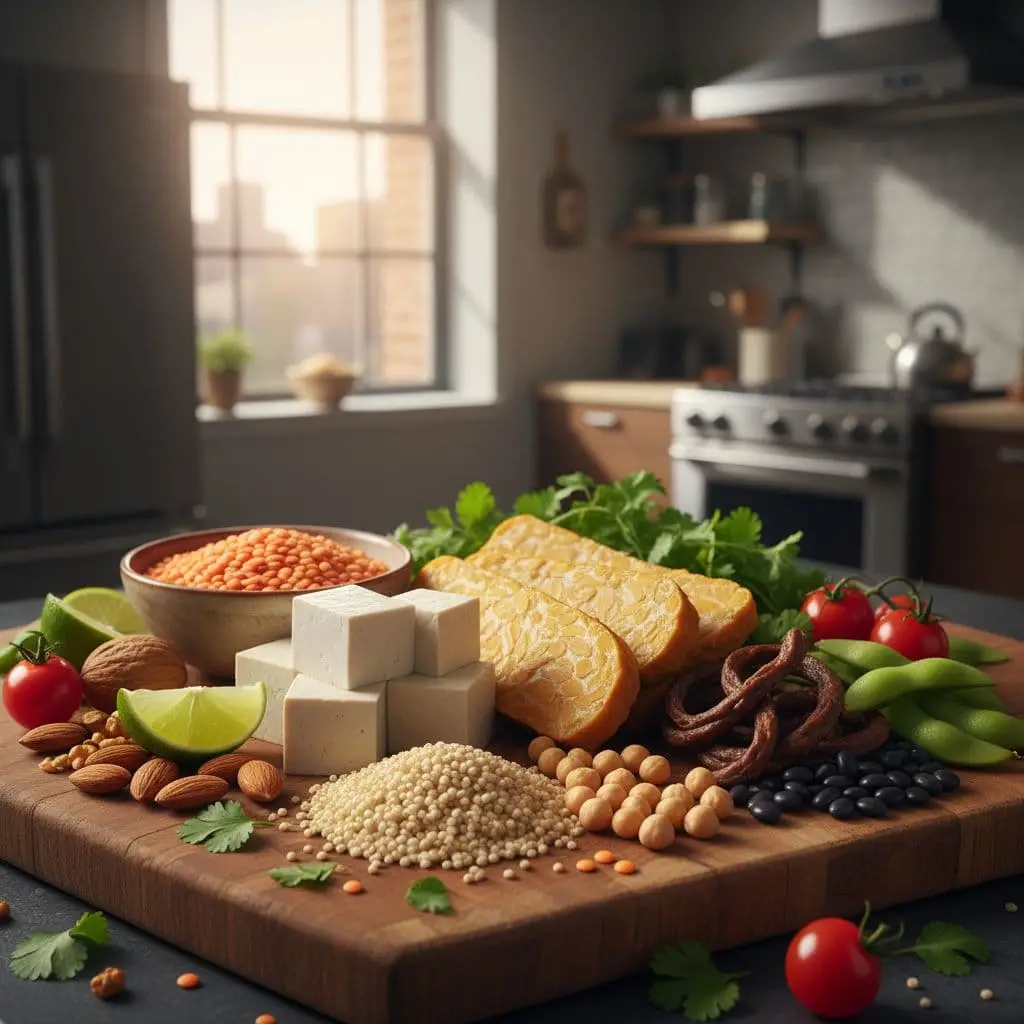
Vegetables and Other Low-Calorie Protein Sources
Spinach: It is not an abundant source of protein by volume but spinach contains 3g of protein in 1 cup (cooked) and has 40 calories. Spinach is a rich source of nutrients including vitamin A & K, iron and antioxidants, therefore adding it to your diet will add a lot of nutritional value at a low calorie cost.
Broccoli: This vegetable provides approximately 3g of protein per 100 calories; and broccoli is also a good source of fiber and includes vitamins C and folate. The flavor of broccoli is slightly bitter and its crunchiness are very pleasing, making it a great option as a side dish or a ingredient to help you feel full while increasing your nutritional intake.
Green peas: Green peas have approximately 9g of protein per 100 calories and thus are a high protein option from vegetables. In addition to being a good protein option green peas also have fiber and a sweet flavor that can counteract savory flavors and can be eaten alone. Therefore, green peas are a good option if you want to add some protein to your diet without consuming too many calories.
Practical High Protein Low Calorie Meal Ideas and Tips
Removing the uncertainty of planning each meal for yourself makes it easier to be consistent in meeting your goals, and these simple and delicious foods are available at breakfast time, as a lunch option, as an evening meal, and as a snack to provide you with nutritious, high-protein, low-calorie meals throughout the day. By having a variety of satisfying food options throughout the day will help keep your energy levels up and make it easier to maintain your focus, which ultimately allows you to stay committed to your goals.
Breakfast Options
Vegetable omelet: Combining protein from the egg with fiber from the vegetables (such as spinach, tomatoes and mushrooms) will help to create a feeling of fullness longer than the protein alone would be able to do. The egg will support muscles by providing a significant source of protein; and the vegetables will supply vitamins and antioxidants that will keep you fueled throughout the morning.
Greek yogurt parfait: Begin with non-fat, creamy Greek yogurt and layer with a mix of fresh berries (strawberry/blueberry), which are naturally sweet. Add chia seeds on top to increase fiber and omega-3’s. A delicious, nutritious breakfast parfait that provides a good balance of energy for the day with minimal additional calories.
Protein shake/smoothie: Combine your favorite protein powder with an unsweetened almond milk to create a base that is easy to drink and has no calories. Spinach provides all of the green power of a salad but does little to change the flavor of the smoothie. Frozen berries add an icy twist to the flavor and have plenty of antioxidants. Smoothies are a fast and nutritious meal alternative that can be prepared quickly with minimal calories.
Lunch and Dinner Suggestions
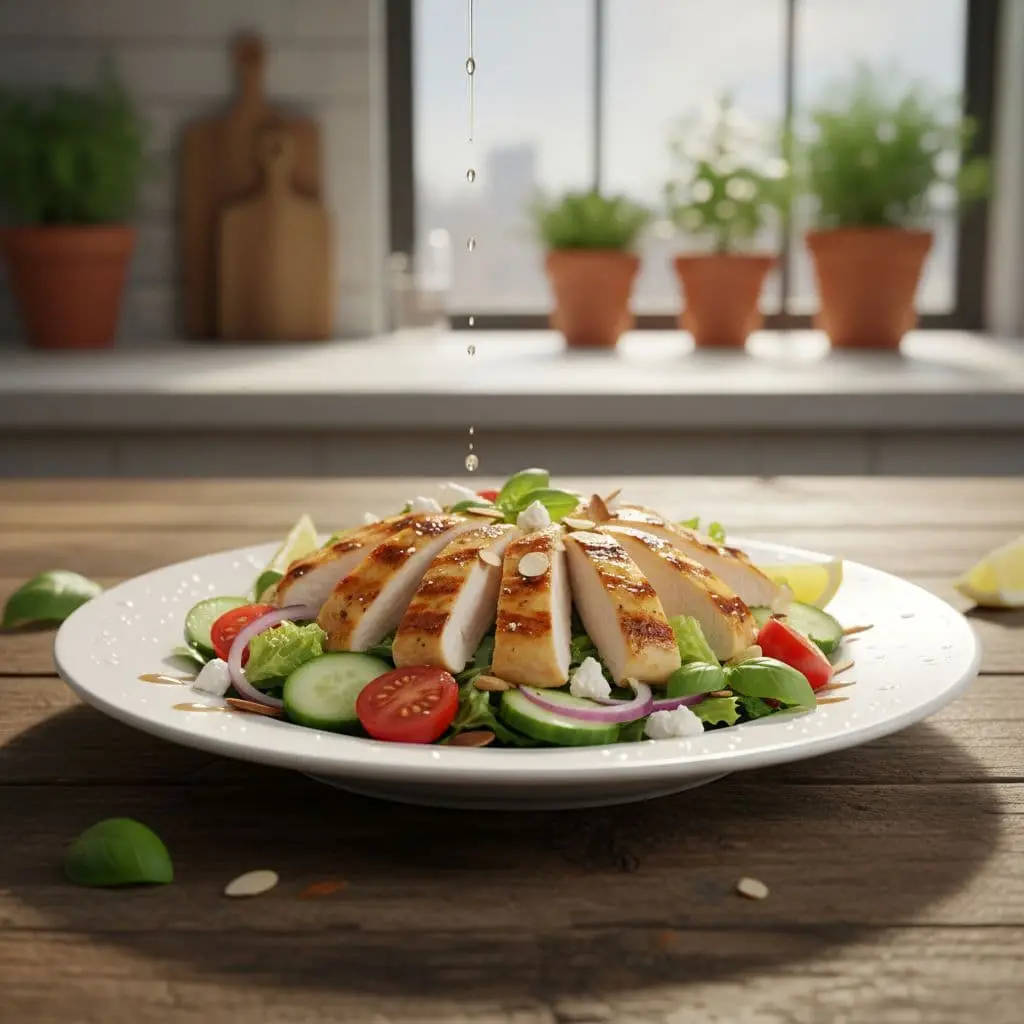
Chicken Salad on Grilled Chicken: The base is a bed of fresh and crispy lettuce; it includes thin strips of red onion, and sliced cucumber and cherry tomatoes. Also included are pieces of grilled chicken, all tossed together with a light vinaigrette, which is made from olive oil, lemon juice, and a small amount of Dijon mustard. This creates an added layer of flavor to your salad and a refreshing taste.
White Fish with Steamed Veggies: A white fish (such as cod or haddock) is baked or grilled to be flaky and flavored. It is paired with steamed broccoli and sweet, tender carrots sprinkled with a pinch of salt and a few cracks of black pepper. Squeezing lemon on top of this dish adds a zestiness that pairs well with the delicate flavor of the fish.
Tempeh Bowl: Layers of pan-fried tempeh, cooked quinoa and roasted chickpeas create the base of the plant-based bowl. Cucumber, shredded carrot, and diced bell pepper add texture to the dish, while a creamy lemon-tahini sauce drizzles down on top creating a rich and nutty flavor and provides balance to the diverse textures within the dish.
Snacks and Small Meals
Hard-boiled eggs are an excellent source of protein that is convenient to take with you while you’re on-the-go. Hard-boiled eggs will keep well in your refrigerator, which makes them a great choice for those days when you’re in a hurry or looking for a mess-free snack.
Combining cottage cheese with sliced celery or cucumbers creates an interesting combination of textures with added protein. The cottage cheese and vegetables create a filling, but still fresh and light snack that combines creamy and crispy elements in perfect harmony.
When you need to quickly fuel up before your next meal, protein shakes that contain either water or a low calorie base provide an easy-to-prepare, and convenient solution. Protein shakes can also be prepared by blending and customizing to your taste preferences with flavorings or add-ins, allowing you to achieve your goals of staying on course without consuming excess calories.
Meal Prep and Portion Control Tips
Prepare large quantities of protein-based foods in advance and store them in small containers for quick access throughout the week (e.g., grill multiple chicken breast portions at one time). Portioning out meal amounts using a food scale is a great way to measure the amount of protein you are consuming per meal without making an educated guess as to what “a serving” looks like. Store prepared vegetables and salad greens to minimize daily food preparation; having all necessary ingredients prepped can also help you stay on course when preparing meals during busy times.
Conclusion
High protein low calorie meals will provide your body with the nutrients required to maintain optimal functioning every day. To obtain high levels of protein while minimizing caloric intake, select foods that are rich in protein but low in calories to support muscle repair and development while limiting unnecessary energy. Combine the use of lean protein sources such as meat, dairy products, legumes, plant-based proteins, and raw vegetables to create meals that are filling and provide sustained energy levels.
By consuming meals that contain these nutrient-dense foods, you will be able to avoid large fluctuations in energy and excessive weight gain. Gradually substitute foods into your diet and experience improved physical strength and overall health over time. Once your body has adapted to this type of dietary regimen, it will receive the essential nutrients required to complete everyday activities.

High-Protein, Low-Calorie Meals: FAQ’s
What counts as a high-protein, low-calorie meal?
When considering what constitutes a high protein low calorie meals, consider meals that consist of approximately 20-40 grams of quality protein while limiting both the amount of fat and carbohydrates consumed. For example, you could consider a meal such as grilled chicken breast with steamed vegetables or a tofu stir-fry with plenty of greens.
Can eating a lot of protein harm my kidneys?
No. Studies have demonstrated that even when individuals consume amounts of protein significantly higher than their recommended daily allowance, there is little risk of damage to the kidneys provided that the individual’s kidneys are otherwise healthy.
How much protein should I eat at one meal for muscle building?
Approximately 20-40 grams of protein per meal will be sufficient to stimulate muscle growth. While consuming greater quantities of protein per meal may provide additional benefits, these benefits will likely diminish as the quantity of protein consumed increases beyond this range.
Do I need to eat protein right after working out?
No, you do not necessarily need to consume protein immediately after finishing an exercise routine. As long as you are meeting your overall daily protein requirements, your muscles remain responsive to protein for several hours after completing physical activity.
Are plant proteins as good as animal proteins?
Yes, but you generally need to consume larger quantities of plant-based protein to achieve the same results due to differences in amino acid composition. Consuming multiple sources of plant-based protein (i.e., legumes and whole grains) can help to maximize the nutritional benefits of a plant-based diet.
Are high-protein foods like cheese and peanut butter good for low-calorie meals?
Generally, no. These types of foods are high in both calories and fat; therefore they are less desirable when attempting to keep calories down. Lean protein sources, such as fish, egg whites, and low-fat dairy products are preferred when attempting to keep calories down.
Can high-protein, low-calorie meals help with weight loss?
Yes. High protein levels tend to increase feelings of satiety, reduce hunger and support the preservation of muscle mass when reducing caloric intake, which can increase fat loss.
Is it safe to eat high-protein meals daily?
In general, yes. For most healthy adults, consuming high protein low calorie meals on a daily basis poses no known adverse effects on the kidneys or bone structure.
What’s the best way to spread protein intake throughout the day?
Attempt to maintain a balanced level of protein at each meal, typically 15 to 30 grams of protein. Maintaining consistent protein levels across the course of the day can promote smooth operation of muscle protein synthesis.
Should I use protein powders to hit my goals?
Protein powders are convenient, however they are not necessary if you are able to obtain adequate protein through natural food sources. Additionally, powders can be used as an alternative source of protein on busy days.
Can vegetarians and vegans meet protein needs on a low-calorie meal plan?
Yes. It is possible to obtain sufficient protein as a vegetarian or vegan by consuming a variety of plant-based proteins and possibly increasing your intake to ensure that you are obtaining all of the essential amino acids.
Are processed meats okay on a high-protein diet?
Processed meats are generally not considered the best choice as part of a high-protein diet. Processed meats often contain saturated fats and other preservatives that have been associated with increased health risks. When choosing protein sources, opt for lean, unprocessed options.
Final Thoughts
Eating high protein low calorie meals at meal times helps to feel full without gaining weight. Protein keeps you from being hungry and provides constant energy for your body’s muscles. A balanced diet of lean meats, dairy, plant based proteins, and vegetables is a great way to create healthy eating habits.
Planning meals before hand and cooking them will make it easier to have healthy meals while saving time and stress. The small changes you make today with what you eat, can lead to feeling stronger every day by eating well. To be able to maintain your new ways of eating and enjoying your food, focus on eating a balanced diet with a variety of foods, and simple meal options.