Quick Low Calorie Meals With Simple Ingredients
Maintaining your daily meals at a lower calorie level with low calorie meals will help promote overall health and control your body weight. You do not need to make preparing healthy meals difficult or take up much time. Preparing meals using just simple ingredients will allow you to save money and create tasty meals for you and your family. This article includes some fast, easy meal ideas for breakfast, lunch and dinner using everyday items. Additionally, it has a list of basic supplies to stock in your kitchen for making quick meals.
Benefits of Choosing Low Calorie Meals With Simple Ingredients
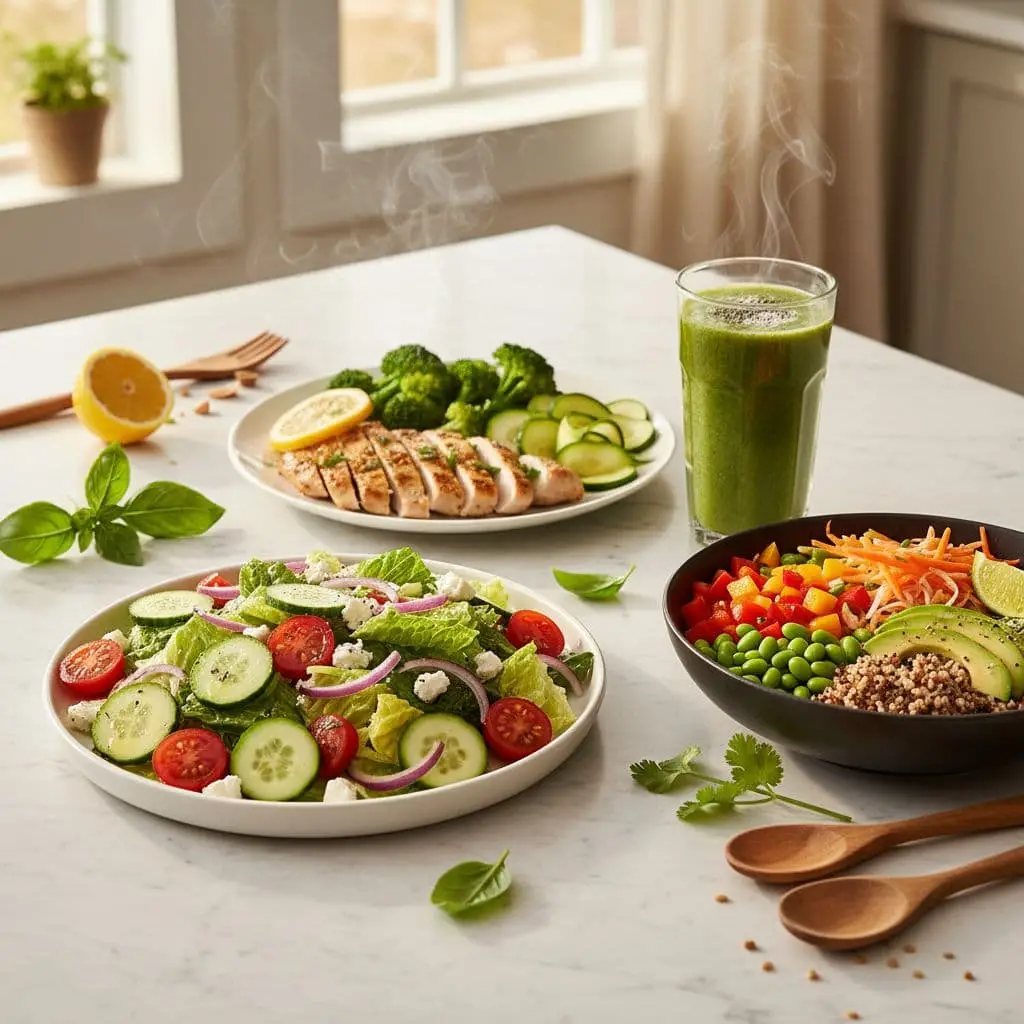
By choosing to eat low calorie meals, you can manage your weight and contribute to your general well-being. Since the fewer ingredients you use when making low calorie meals, it will be easier for you to prepare them. That’s especially true if you’re already juggling a busy schedule or if you’ve just started trying to prepare healthier meal options. The few basic ingredients you use will allow you to quickly and easily complete all of your preparation and cooking, and in no time at all, you’ll have a nutritious and filling meal for dinner. Plus, since you’ll need to shop less, you’ll spend less money on each trip to the store and waste less food.
Health Benefits of Low Calorie Meals
Low-calorie food intake will assist with weight management by maintaining your energy balance. Eating fewer calories than what is burned will allow for natural weight loss. In addition to reducing weight loss opportunities, eating lower-calorie meals will provide a stable source of energy throughout the day and reduce fatigue and drowsiness (mid-day crash) which may occur as a result of consuming higher-calorie foods. A low-calorie diet will also decrease your risk of developing many chronic diseases such as Type 2 Diabetes Mellitus, hypertension and coronary artery disease.
Advantages of Simple Ingredients
Using simple and common products means that there will be no need to search out specialty or expensive ingredients. Therefore, this can save time and money when it comes to preparing your meals. The quicker you are able to get to some of these staple ingredients; you’ll be able to cook with ease, without feeling like you’ve spent too much time in the kitchen. In addition, purchasing just what you need is likely to result in less food waste than buying all of the products required for an entire meal.
Quick and Easy Low Calorie Meal Ideas Using Simple Ingredients
To cook low calorie meals you do not have to use many different ingredients. Many simple meals using only a couple of fresh ingredients will take only a short amount of time to prepare. The fewer number of ingredients used in a recipe, the faster food will be prepared for the table and cleaned up after. This allows you to eat healthier by making healthy choices quicker and easier. Below is a list of fast and easy meal ideas that provide great taste and nutrition without the preparation time and cost of elaborate dishes.
Low Calorie Breakfast Options
- Oatmeal made with Fresh Fruit: Mix together some rolled oats and a splash of Almond Milk, plus a handful of fresh blueberries, raspberries etc., and mix in a spoonful of Honey, Maple Syrup, depending on how sweet you prefer your oatmeal. Once mixed place in refrigerator overnight, so that oats will become soft and absorb all the flavors by morning time, creating a very thick and creamy breakfast which can be eaten directly out of the Fridge!
- Vegetable Omelet: Beat together Egg Whites or Eggs, then pour into a heated non-stick pan, immediately adding in chopped Spinach, Diced Tomatoes, and Sliced Mushrooms. Cook the Omelet at a low to moderate heat, and fold it when the Egg is set. If desired, you may also add some Chopped Herbs or Cheese to add flavor without increasing fat content, along with providing Fiber and Vitamins in a single meal.
- Smoothie Bowl: Blend together a Ripe Banana and Fresh Spinach, Greek Yogurt (and just enough Water) to create a Thick, Spoonable Smoothie. Pour into a bowl and top with Sliced Kiwi, Handful of Nuts, Sprinkle of Chia Seeds etc. Adding Crunch and Increasing the amount of Fiber, this Breakfast option combines Fruit and Greens into one Easy Meal!

Low Calorie Lunch Recipes
- Salads With Lean Protein: Mix up a salad using a variety of greens (such as romaine & spinach), halved cherry tomatoes, and thinly sliced cucumber. Grill chicken breasts then cut into strips & season lightly with salt and pepper. Dress the salad lightly with fresh lemon juice and a small amount of olive oil so that the flavors are light and refreshing – with no additional calories.
- Veggie Wraps: Apply an abundant layer of hummus to a whole wheat tortilla. Then fill with shredded carrots for texture, thin slices of sweet bell peppers and a handful of fresh spinach for color. Roll the wrap up snugly for a portable meal that is quick to eat while you are on-the-go and filled with great flavor and nutrients.
- Quick Vegetable Stir-Fries: Place a small amount of oil into a pan and quickly cook the following vegetables; diced broccoli, snap peas and sliced onions, until they are tender yet crisp. Sprinkle a small amount of soy sauce or tamari to add a rich, savory taste that will not overwhelm the vegetables. Serve the stir fry over a small mound of brown rice to create a well-rounded meal that is filling yet light.
Quick Low Calorie Meals
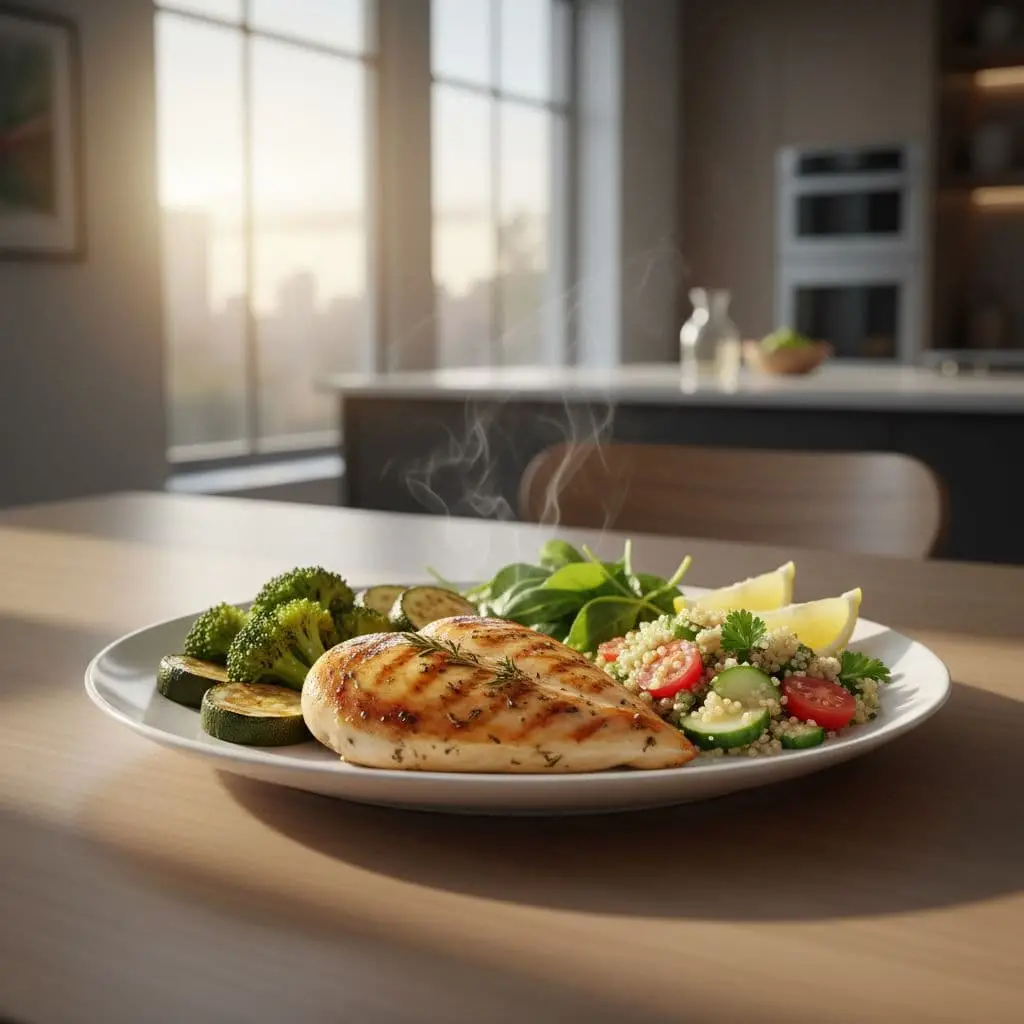
- Chicken Breasts with Baked Vegetables: First apply a combination of herbs such as dried rosemary, dried thyme and a dash of garlic powder to your chicken breast, place them in the baking pan with sliced or diced zucchini, sliced or diced carrots and bell peppers. Lightly drizzle everything with olive oil and lightly salt and pepper. Bake the chicken until it is cooked thoroughly and the vegetables have become soft to the touch (slightly caramalized) and the flavors from roasting will bring out the sweetness in the vegetables while giving it some texture.
- Zucchini Noodles with Tomato Sauce: Create zucchini noodles using either a spiralizer or a vegetable peeler to make the zucchini resemble pasta. To create the sauce, sauté crushed fresh tomatoes, garlic, onion and a few basil leaves to add some freshness to the sauce. Add the zucchini noodles to the sauce and toss gently to avoid overcooking the noodles. The zucchini should be still crunchy but tender at this point. It is a good option when you need something light and healthy.
- Fish Fillets with Steamed Greens: Select a mild white fish such as cod or tilapia, brush the fillets with lemon juice, sprinkle with fresh dill and lightly sprinkle with black pepper. Bake the fish until it breaks apart easily with a fork. Steam kale or green beans until they are tender to retain the vibrant color and nutritional value. Place the fish fillet on a plate next to the greens and possibly provide a slice of lemon to add even more freshness to the dish. It is an easy-to-prepare dish that has a simple yet nutritious flavor profile.
Essential Simple Ingredients for Low Calorie Meal Preparation
Stocking your kitchen with essential staples will help make assembling lower-calorie meals easier and less stressful. When you have basic items in stock such as fresh veggies, lean proteins and whole grains, it is easy to mix-and-match those items to create different meals. Stocked with the basic items, you won’t need to make last minute runs to the grocery store and be able to spend your time cooking vs. planning.
The fact that you have all the basics readily available also means you are less likely to rely on convenience foods high in unhealthy fats, calories etc. It’s an easy solution that can save you time, prevent food waste and keep your meals healthy and balanced without having to put in extra effort.
Vegetables and Greens
Leafy green vegetables (such as spinach, kale, arugula) can be an excellent source of volume and nutrients while adding few calories. Cruciferous vegetables (broccoli, cauliflower) are high in fiber and vitamins. The colors of the vegetable rainbow (carrots, bell peppers, tomatoes) will add color and antioxidants to your plate.
Lean Proteins
Proteins that are lean (chicken breast, fish, tofu, legumes such as lentils and chickpeas) are the best way to keep hunger satisfied for a long time because they provide a steady supply of energy by slowly being digested, therefore reducing your desire to snack between meals.
In addition to providing a slow supply of energy, these proteins are vital for repair and maintenance of muscle tissues, and therefore support overall fitness and strength. As long as they are prepared using little to no additional fat and/or sauce, they remain relatively low calorie, and therefore a good option for those seeking to maintain their health through eating well without feeling deprived.
Whole Grains and Healthy Carbohydrates
Whole grain foods (oats, brown rice) and legumes (quinoa) are better sources of fiber and provide steady energy. Refined grains lack many of the nutrients found in whole grain foods.
Healthy Fats and Flavor Enhancers
Add flavor to your meals using a little olive oil, fresh lemon juice, herbs (basil and rosemary), and spices (cumin and paprika). Adding flavors will enhance the taste of your low-calorie meals without adding to the calorie count.
Conclusion
Simple low calorie meals are an excellent way to eat well without too much fuss, effort, or cost. Low-calorie meals are convenient to prepare and require less time spent in the kitchen. Buying staple ingredients will also reduce grocery costs compared to purchasing specialty items. Fresh vegetables, lean protein, whole grain foods, and some spices should be kept on hand in your pantry to quickly prepare a nutritious meal.
Additionally, using flexible ingredient lists allows you to adjust to seasonal availability and sales prices which reduces food waste and saves you money. Finally, by consistently preparing simple, wholesome foods, you develop good eating habits that will allow you to achieve your nutrition goals. Start trying out these simple meals, and you may find healthy eating is enjoyable and achievable.

Key Takeaways
- Low calorie meals allow for a healthy weight, while also helping to feel less hungry than higher-calorie options.
- These types of meal are often made with fresh vegetables, lean protein sources (like chicken), and whole grain food sources.
- Methods of cooking, such as grilling, and steaming, do not add excess fat to food.
- Fiber in meals, can help keep an individual feeling full for longer, and aid in digestion.
- By limiting high-sugar and processed foods, individuals will have fewer total calories consumed.
- Small changes, like using cauliflower “rice” instead of white rice, can greatly lower calorie intake.
- Meal planning in advance will limit the number of quick and unhealthy food selections made.
- Drinking water before eating will help to limit the amount of food eaten at one time.
- A portion control strategy should be used when trying to manage overall calorie intake.
- Flavor can still be abundant in a low-fat dish when using herbs and spices instead of heavy sauces.
Low Calorie Meals: Your Top Questions Answered
What exactly counts as a low calorie meal?
Low calorie meals typically contain fewer calories than standard meals — as little as 300-400 calories, or even fewer than that based on your daily calorie needs. However, many nutrition experts agree that anything under 500 calories can be considered low-calorie, and will help to focus on the nutrient dense ingredients that fill you up, but not pack you down.
Do Low Calorie Meals Help Me Lose Weight?
Yes, Low calorie meals can assist with weight loss. Losing weight occurs when you consume fewer calories than your body is burning, and using Low calorie meals will make it much easier to accomplish this. You must ensure your meals are providing adequate amounts of protein, fiber, vitamins and minerals so that you remain healthy while losing weight.
Will Low Calorie Meals Leave Me Hungry?
You shouldn’t feel hungry after eating Low calorie meals if you’ve chosen foods that are rich in protein, fiber and water (such as green vegetables, beans, lean meats). Try to avoid meals made primarily from refined carbohydrates or sugar; these types of meals tend to leave you wanting more.
Are Low Calorie Meals Always Healthy?
No, Low calorie does not always equal healthy. There are several low-calorie foods and meals that may lack important nutrients and are heavily processed. Select meals that use fresh ingredients, lean protein, green vegetables, whole grains and healthy fats for the greatest health benefits.
How Many Low Calorie Meals Should I Eat Daily?
Most individuals shoot for three meals and one to two snacks each day within their overall daily calorie requirements. Your overall calorie intake is the main factor in how you approach your diet and whether you’ll achieve your weight loss objectives. For example, an adult’s daily meal plans for weight loss typically fall into a 1200-1500 calorie daily plan, though this is different for age, sex, and level of physical activity.
Can I Still Enjoy Flavorful Food While Eating Low Calorie Meals?
Definitely. Since you can add flavor using herbs and spices, citrus flavors and a variety of cooking methods, Low calorie meals do not have to be boring or unflavorful. Many cuisines offer delicious and Low calorie meal options that will satisfy your taste buds.
Are Low Calorie Diets Safe for Everyone?
Not necessarily. Low calorie diets should be avoided by pregnant or breastfeeding women, children, athletes, and anyone suffering from certain health conditions unless you consult with your physician. Only follow very Low calorie diets (under 800 calories per day), or any other restrictive diet, under close supervision of a physician.
What Are Examples of Low Calorie Foods That I Can Include?
Some of the best foods to consider including in your Low calorie meals include: green leafy vegetables, beans, lentils, boneless skinless chicken, fish, egg whites, non-fat Greek yogurt, oats, berries and other vegetables such as zucchini and cauliflower. All of these foods will help fill you up with fewer calories.
How Do Low Calorie Meals Affect My Energy and Mood?
If you choose to eat Balanced Low calorie meals, you can expect to experience consistent energy levels and moods. If you drastically cut back on your calorie consumption, or miss essential nutrients, you may experience fatigue, irritability and difficulty concentrating. As long as you maintain nutrient-dense meals, and adjust your diet if needed, you should never experience negative effects.
Can Low Calorie Meals Save Money?
Yes. By choosing Low calorie meals made with affordable and nutrient-dense foods such as beans, eggs and seasonal vegetables, you can cut down on the amount of food you waste and spend less money on groceries. Cooking meals at home is typically cheaper than ordering take-out or dining out.
How Can I Make Low Calorie Meals More Filling Without Adding Calories?
Choose to eat High-fiber vegetables and legumes, drink water prior to your meals, and select lean proteins. Foods that are High in water content (such as soups and salads) are great ways to enhance fullness, without significantly increasing the number of calories consumed.
Is there a Common Myth About Low Calorie Meals?
Yes. One of the most common myths regarding Low calorie meals is that they are boring, unappetizing, or leave you feeling starved. This could not be further from the truth. When you carefully plan your meals using fresh ingredients and good seasoning, Low calorie meals can be both satisfying and enjoyable.
Should I Track Calories to Stay Adhering to Low Calorie Meals?
Tracking calories can help some individuals stay on target, particularly when beginning a new diet. However, over time, developing an understanding of proper portion sizes and selecting healthy food choices may be sufficient to maintain adherence to a Low calorie meal plan. Use tracking tools such as mobile apps or journaling if you desire more control.
Can Low Calorie Meals Support Muscle Preservation?
Yes, as long as you consume enough protein such as boneless skinless chicken, dairy, tofu, or beans, you will help protect your muscles while losing weight. Combining strength training with a Low calorie meal plan will yield the best results.
Where Can I Find Recipes for Low Calorie Meals?
There are countless websites, mobile apps, and cookbooks available to help you develop a library of Low calorie meals. Seek out those that utilize whole foods, balanced macronutrients and easy-to-prep recipes.Many online sites, cooking apps, and books offer recipes designed to be nutritious and low in calories. Look for ones focusing on whole foods, balanced macros, and easy prep.
Final Thoughts
Eating simple, lower calorie meals gives you the ability to eat the foods you love, without becoming overwhelmed by them. The ease of finding most grocery store items also allows for easy grocery shopping and meal preparation, which in turn uses less energy and encourages healthier eating habits. By planning your meals, you will avoid making those impulsive last minute choices that usually are less than optimal.
Having a small group of “go to” ingredients will allow you to create multiple different meal combinations that meet your dietary needs as well as your desire to enjoy the flavors of your food. This constant and simple way to think about food creates a sense of consistency and a positive relationship with food.